Coastal Urbanism: Architecture, Harbours, and Waterfront Masterplanning
Urban waterfronts require specialized architectural strategies to reconcile dense urban development with dynamic aquatic environments.
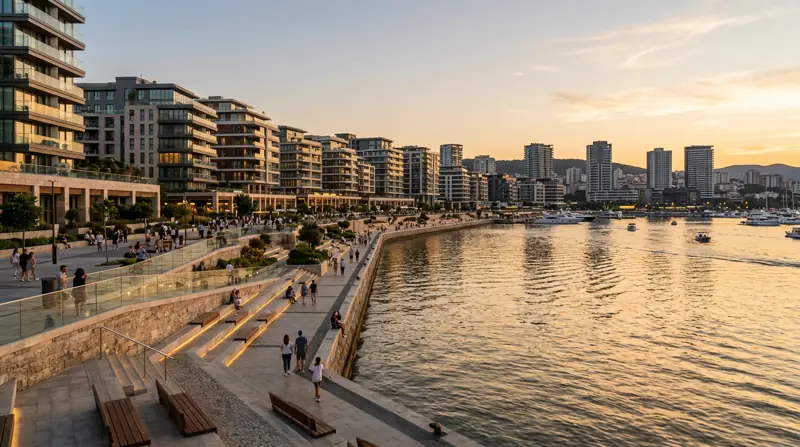
Structural Engineering and Layouts in Coastal Urban Architecture
Developing coastal infrastructure requires architectural and structural solutions tailored to marine environments. High-density urban areas positioned along sea boundaries depend on foundation systems designed to resist continuous salt exposure, wave action, and variable water tables. Deep piling foundations anchored into bedrock provide essential vertical stability for harbour structures and multi-story maritime districts. Beyond structural support, coastal urban design must account for natural hydrodynamic forces. Modern harbour basins utilize curved breakwaters, submerged reefs, and reinforced seawalls to dissipate wave energy before it reaches urban edges. Sedimentation management is equally critical; harbour channels are engineered with strategic current deflectors to minimize silt accumulation and preserve navigable water depths without constant dredging. By combining heavy civil engineering with hydrodynamic planning, waterfront developments maintain long-term structural integrity while accommodating urban density directly along the coast.
Integrating Promenade Design and Pedestrian Waterway Channels
The coastal edge between land and water functions best when public space incorporates flood resilience and pedestrian access into unified structural networks. Multi-tiered boardwalks and terraced stone embankments accommodate seasonal tide variations, allowing civic movement directly at the water edge. Elevated promenades often conceal utility infrastructure and flood barrier systems beneath pedestrian pathways. In many modern coastal masterplans, artificial canal networks extend marine access inland, creating sheltered waterways that double urban frontage. These interior channels distribute water flow evenly through the city grid, mitigating coastal storm surges while offering calm water routes for public transit craft. Integrated docks, cantilevered public decks, and marine grade materials like treated timber and stainless steel ensure that public plazas withstand harsh marine microclimates. Through thoughtful urban design, coastal promenades convert protective marine barriers into active civic corridors.
Engineering Perspectives on Marine Waterfronts and Maritime Accessibility
Evaluating coastal developments from offshore provides insight into how protective barriers, harbour entries, and artificial landforms interact with open sea currents. Viewing municipal shorelines from the water reveals the exact alignment of breakwaters and peripheral revetments designed to shelter coastal property.
In Dubai, extensive marine engineering projects demonstrate how large-scale coastal expansion can coexist with structured water management. Artificial island formations such as Palm Jumeirah illustrate the protective seawall structures required to shield expanded landmasses from wave erosion. Pearl & Gale offers chartering options near these engineered shorelines, while separate marine zones are maintained for active water sports. Readers interested in comparing charter options and standard rental rates for a motor yacht can find published prices this way. Observing these spatial arrangements from offshore highlights the precise balance between protective engineering, maritime transit, and coastal land usage.